Are Zara Trousers Actually Any Good?
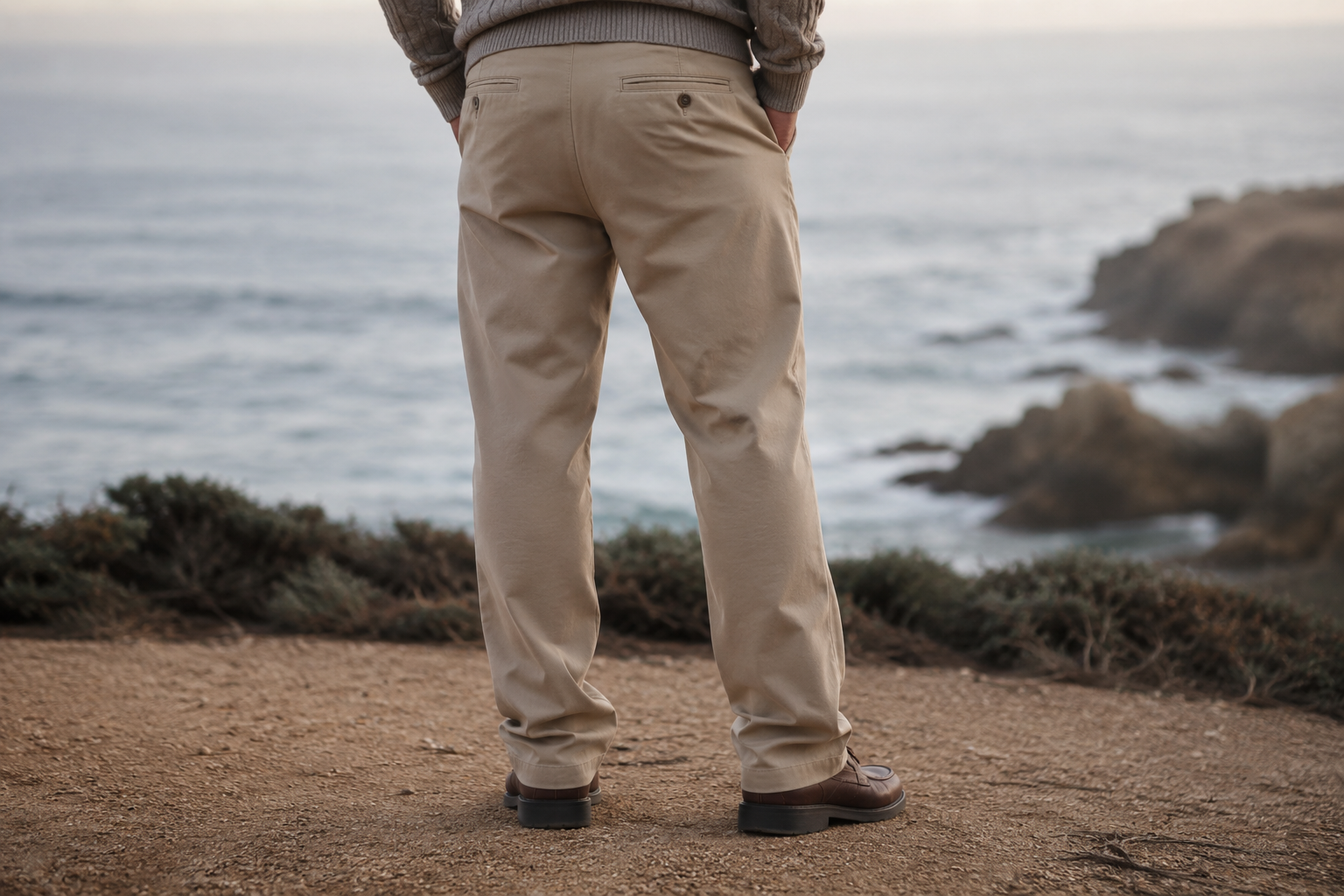
Let me start with a confession that’ll make every client of mine chuckle.
I’m a bespoke tailor. I spend my days obsessing over other people’s wardrobes, making sure their trousers hang clean, their jackets balance properly, and their clothes work hard for them in real life. Yet somehow, I’d managed to completely neglect my own summer trouser situation.
Cut to last year. So there I was, suddenly realising I was 24 hours from getting on a plane to New York, where it was going to be blazing hot, and I was short of lightweight summer trousers.
This is exactly the thing I ranted about in my recent article on Milo Ventimiglia’s wardrobe in I Will Find You: men massively underestimate the importance of trousers. We’ll fuss over shirts, jackets, shoes, watches… and then throw any old pair of trousers on as if they don’t do half the visual and comfort heavy lifting.
And there I was, the bespoke tailor who should know better, caught out by my own bad planning.
The Panic Buy
So what did I do?
I did what thousands of men do every weekend. I rushed into Zara, holding my nose. This is not a shop I enjoy being in. Or actually I don’t think I’d ever been in before now. But I was in full on emergency mode, grabbed two pairs of chinos in a 32” waist and headed straight to the fitting room.
Here’s the thing you should know: because of vanity sizing, those “32s” actually physically measured 36” across the waist. Very handy for me, because I was definitely at the, let’s say, more generous end of my weight spectrum last summer.
They seemed to fit fine, albeit with a bit of stretch but I didn't see that as a harmful thing - so I bought a pair in stone and a pair in navy and got the hell out of there again.
Problem solved right? Hmmm…. not quite.
New York: Where It All Went Wrong
The real story starts in New York. Within the first hour of wearing the chinos, I knew I’d made a terrible mistake.
The waistband started to grow. And grow. And grow. You know that feeling where your trousers are no longer actually holding you? That subtle slide south as you walk?
Even a belt couldn’t save me. When the waistband of a trouser is much bigger than your belt, said belt just twists the waistband underneath it. You don’t feel secure, you feel like your trousers are desperately clinging on for dear life somewhere around your hip bones.
Then the thighs started to stretch out. The seat bagged. At one point I caught sight of myself in a reflection and thought, “I look like a toddler who’s shat its nappy three times over and has lazy parents that can’t be bothered to change it.”
That’s how saggy my arse looked.
The rise had stretched so much that it genuinely felt like I was walking with my trousers halfway down my legs. Come on we’ve all done it at some point - you know, that moment when you’re on the loo, you suddenly realise there’s no toilet roll, and you have to shuffle off to find some because your partner “forgot” to replace it?
It felt like that. All day.
The rest of the trip, I gave up and wore jeans (jeans bespoke tailored by my own company of course). which as you can imagine wasn't the most practical thing in New York humidity, but I hate shopping and couldn't be bothered with the stress of trying to find something that worked. Now I know why I have so many loyal customers!
I honestly preferred sweating in denim to feeling like my trousers were falling off me every five minutes.
Can A Tailor Rescue Bad Trousers?
When I got back to London, I did what any self‑respecting bespoke tailor would do.
I took the chinos into the workroom and decided to treat them like a client job. Partly as an experiment, partly out of stubbornness.
Here’s what we did:
Took 4 inches out of the waist and seat
Shortened the rise
Narrowed the legs
In other words, we did a full reshaping operation to compensate for the sheer amount of stretch in this so‑called “cotton” fabric.
Was it worth it financially? Absolutely not.
But I wanted to understand what people who buy this stuff are dealing with. I wanted to see how far we could push them to make them wearable.
We finished the work, pressed them up and I took them home and hung them in the wardrobe. At the same time I made up new sets of my own jeans and chinos and promptly forgot about the Zara experiments.
The Return Of The Expanding Chinos
Fast forward to this week.
We’ve got a heat dome sitting over Europe, and the UK is being slowly roasted at 35 degrees plus, so needing to review my full armoury of lightweight summer trousers, I dug the pesky Zara chinos out again.
Putting them on I thought... these are alright now actually. They felt slimmer than I remembered from New York, more secure. The alterations had definitely done something.
But about an hour later I was back to square one.
Waistband stretching, seat sagging, thighs bagging out. Pardon my language but how the fuck do we take 4 inches out of everywhere in these and they just keep stretching back to their point of origin, like some expanding, indestructible alien goo?
And that’s when the penny really dropped.
If we can take 4 inches out everywhere on a trouser and it still grows back to its original baggy, shapeless state after an hour of wear, the issue isn’t the fit. It’s the fabric.
No Tailor On Earth Can Outsmart Bad Fabric
What’s actually going on with this fabric? Let’s me try to explain what’s going on here in plain English. Bear with me.
Most high street “cotton” chinos these days are not just cotton. They’re usually cotton mixed with polyester or viscose, and then they’ll have a small percentage of elastane (or similar stretch fibre) thrown in.
That elastane is there to make them feel comfortable in the fitting room. You sit down, you stand up, there’s a bit of give, and you think, “Lovely, these are really comfy.” The sweet spot for most men shopping in a hurry.
The problem is when garments stretch without proper (or in this case any) recovery.
Good stretch cloth has what we call elastic memory. It stretches when you move, then springs back close to its original shape. You get comfort and your trousers still look pretty good at the end of the day, you take them off, hang them up overnight and they recover back to their original shape and fit.
Cheap stretch cloth, or cloth that uses the wrong mix of fibres, does the total opposite. It stretches and then sort of… stays there. The seat grows, the waistband grows. Each time you wear them, they relax a bit more, but they never every recover.
You’ve basically thrown away money on a trouser that is structurally incapable of holding a clean line in real‑world use.
Walking miles in New York heat? Forget it. By mid-morning you’re in soggy nappy territory again.
So, are Zara trousers any good? Let’s answer the actual question.
Are Zara Trousers and Chinos Good Quality?
In my professional opinion as someone who lives and dies by how trousers fit, hang and age, the answer is no.
They’re cheap, yes, and sure they’re convenient at least in theory. If you’re 24 hours from a flight and you need something that looks vaguely acceptable for the airport, they’ll get you part way through the terminal. But run fast because they’ll start stretching so quick you’ll trip over them when you get to security.
They are the dictionary definition of “you get what you pay for”.
You’re getting:
Inconsistent fabric quality
Stretch with zero recovery
Waistbands and seats that stretch quickly as you wear them
A silhouette that collapses after an hour of real life use
For throwaway fashion, where you wear something once for Instagram and never again, maybe that’s fine. For a proper upwardly mobile or successful man doing actual living - commuting, travelling, working, going out – they’re rubbish.
Avoid.
So If Not Zara, What Should You Do?
A few simple principles will instantly improve your trouser game:
Buy fewer pairs, but better ones
Look for brands that tell you exactly what the fabric is and feel the cloth. You want some substance in the hand, not limp and flimsy.
Be wary of ultra‑stretchy, ultra‑cheap “cotton” chinos
If they feel like leggings pretending to be trousers, they will almost certainly bag out. A bit of stretch is fine. Super‑stretchy at a rock‑bottom price is a red flag.
Invest in alterations when the cloth is worth it
If the fabric itself has good recovery and weight, a good alterations tailor can do wonders with the fit. If the cloth is junk, you’re just paying someone to chase a moving target.
And if you truly want trousers that behave
That’s where made‑to‑measure or bespoke comes in. You’re controlling both the pattern and the fabric from day one. The rise is where it should be, the seat is balanced for your body, the thigh is cut for how you actually move, and the cloth is chosen for drape and recovery – not just label or price appeal.
The bottom line is this:
If your trousers stop you enjoying your holiday, or life in general, then they’re too expensive no matter how cheap they were.