Milo Ventimiglia’s Style In Netflix’s “I Will Find You” Is Exactly Why Smart Casual Dressing Matters
Spoiler Alert - there may be spoilers and plot points for Harlen Coben’s I Will Find You given away in this article.
Netflix’s I Will Find You, based on yet another Harlen Coben story and starring Milo Ventimiglia, Sam Worthington & Britt Lower, is THE thriller of the moment on the streaming service right now. Another show that had my wife hooked and me looking at my phone through the first two episodes until the outfits of Hayden Payne, Milo Ventimiglia’s character, caught my attention.
Have you ever watched a TV series or movie, tried hard to focus on the story, the twists, the clues, the “hang on, surely they can’t have done it” moments, and then found yourself being completely distracted because there’s one character that’s dressed so much better than everyone else?
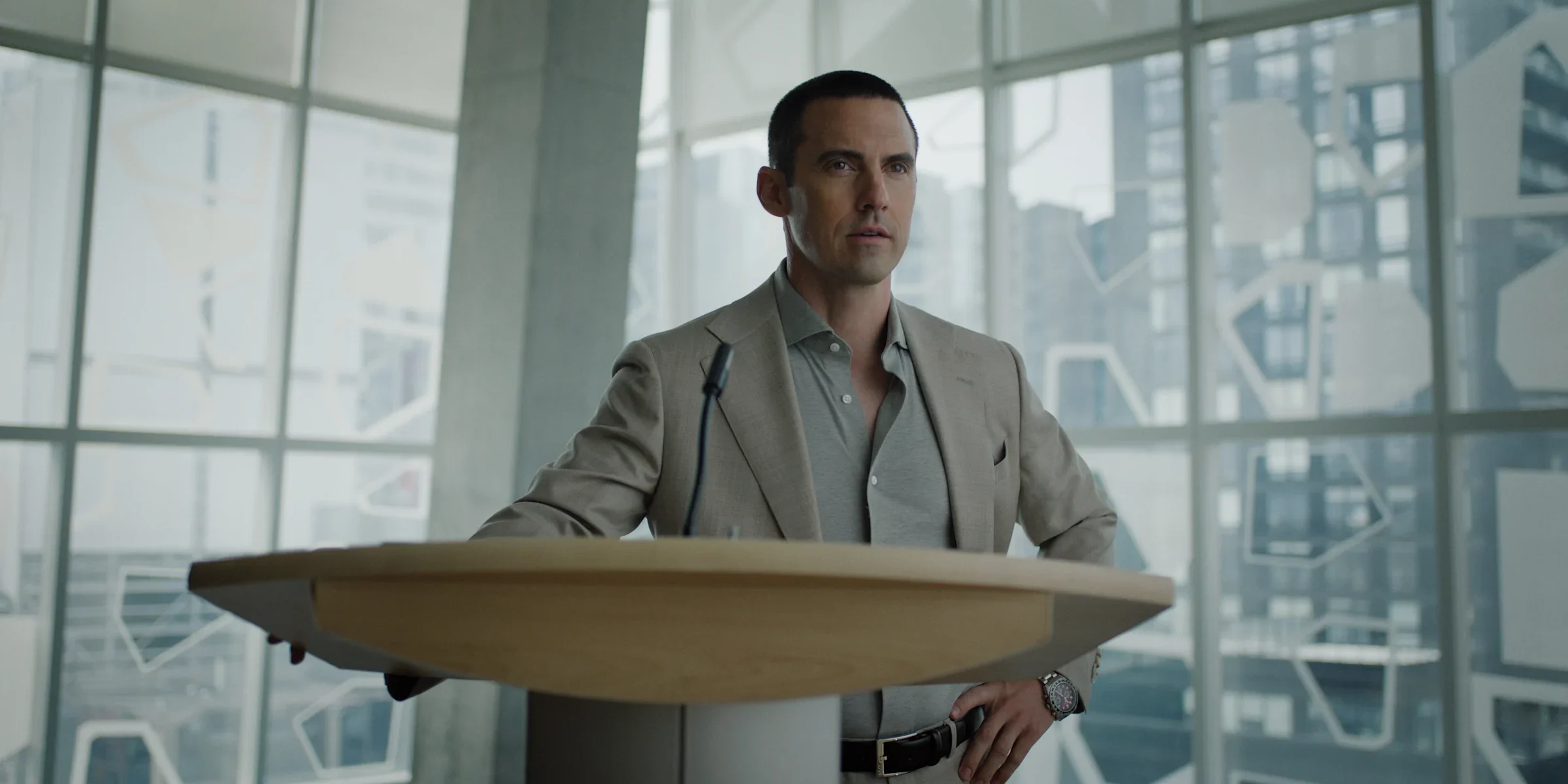
So that was me eventually getting hooked on I Will Find You on Netflix, because while most of you were probably busy dealing with secrets, trauma, suspicion, missing children, impossible plot twists and all the usual Harlan Coben emotional chaos, I kept looking at Milo Ventimiglia as Hayden Payne and thinking “flipping heck, he’s the best dressed man in this show by a country mile.”
Now let me get one thing straight - this is NOT me saying he’s the nicest character, the most trustworthy, or the man you’d want turning up at your house unannounced with a cryptic look on his face, because that’s a very different conversation and probably depends on how far through the series you are as you read this.
What I’m talking about and focusing on here is the styling of the character in the show.
And it’s worth talking about because Hayden Payne’s wardrobe in I Will Find You is a great example of something I’m always trying to explain to our clients, which is that being well dressed doesn’t have to mean being dressed formally, and it definitely doesn’t mean you have to walk around in a suit and tie every day.
The most interesting men’s style now, especially for men who are successful, busy, visible, socially active, professionally serious and still living in the real world, is right in that space between formal and casual. It’s not business dress in the traditional sense, but it’s not so relaxed to the point where you look like you’ve given up as well. It’s that middle ground where a man looks composed, intentional, quietly expensive and totally in control of how he presents himself to the world, without looking like he’s trying to make a massive fashion statement.
For me that’s exactly why Milo Ventimiglia’s styling works so well in this show. And actually before I get carried away talking about trousers, colour palettes and why Hayden Payne looks like the sort of man who has never once had to panic-buy shoes before a dinner, I should properly credit the costume design here, because this doesn’t happen by accident. Milo Ventimiglia wears it brilliantly, of course he does, but the reason the whole thing works on screen is because the wardrobe has been thought through with real discipline by the amazing Antoinette Messam and her team. So while I’m talking about Hayden’s style through my own tailoring lens, the real starting point is the work she did in building a visual world for this character.
Why Hayden Payne Looks So Well Put Together
The first thing that struck me is that Hayden Payne doesn’t look like a man wearing random nice (and expensive) clothes. He looks like a man with a wardrobe that makes sense.
There’s a big difference between the two.
Many men own perfectly good clothes. They might have a decent jacket, a couple of good shirts, some decent fitting chinos and some jeans, maybe a polo shirt or two, a pair of shoes they really like and another pair they keep meaning to replace but somehow never do because it would feel like betraying an old friend. Individually, and on the surface, there may be nothing particularly wrong with any of it, but the problem is that the wardrobe has usually been built reactively in sudden moments of need rather than being properly thought out with consideration and purpose.
Something comes up, you buy something - an important dinner at a fancy place with fancy people appears in the diary, and you buy a new jacket. A holiday gets booked and you buy some chinos. Casual Friday at the office becomes a regular thing and you rush buy a polo shirt or two. A wedding invitation lands on your doormat (or email, I’m never sure if people still do it the traditional in-the-post way these days), and you panic buy something that technically solves the problem on the day, but then it goes back into the wardrobe and just sits there for years… it didn’t really work, it was never really you and it becomes to your wardrobe what a splinter would be to your thumb if it was just stuck in there and you could never remove it. Very annoying.
Before long, you’ve got a wardrobe full of individual quick answers to individual sudden problems, but not a wardrobe that actually functions together as a system.
Hayden Payne’s wardrobe, at least from what you can see on screen, doesn’t feel like that. It feels controlled and purposeful. The colours belong together, the pieces seem to come from the same world. Nothing fights too hard for attention and nothing looks like it was bought in a panic. It all has that very specific and special rich-man-who-doesn’t-need-you-to-know-he’s-rich quality, which is not just very effective on screen, but hugely impactful in real life too.
There are lots of tonal, muted, quietly masculine colours. Dark blues, charcoals, soft neutrals, subtle earthy tones and pieces that look expensive without fancy brand names plastered everywhere for all to see. That’s important because the wardrobe is not trying to impress you with one loud item. It’s doing something far more useful and meaningful, which is to create a complete impression.
This is where most men can learn something from it.
Because you don’t need to copy the exact clothes to take the lesson from them. You don’t need to suddenly decide you’re going to dress like a slightly mysterious man who may or not be a psychopath in a Netflix thriller, although to be fair there are worse style goals you could have. What you need to understand is that the reason the look works is not because one shirt is magic, or one jacket is doing all the work, or because someone has found the world’s most exciting pair of trousers.
It works because everything is aligned.
This Is Smart Casual Dressing Done Properly
One of the reasons I keep coming back to smart casual as a subject lately is because it’s the area where so many men forever struggle, and much of the time not because they don’t care about how they look, but because nobody has ever explained the rules to them properly.
Formal dressing has always been relatively easy, at least in theory. You wear a suit, shirt, maybe a tie if appropriate, proper (and don’t forget, polished) shoes and off you go. Of course there are certain details to get right, and plenty of men still got them wrong, but at least the framework is there.
Casual dressing is also pretty easy if you’re not asking too much of it. Jeans, T-shirts, trainers, a jacket if it’s cold. Just make sure they’re the best quality you can afford for your budget, that you pay attention to the fit so nothing looks too tight or too baggy and you’ll be just fine. Not always exciting, not always the most flattering, no one is going to think 007 when they look at you but then maybe that’s not what you’re going for when dress at this level.
Smart casual is where the wheels start to wobble.
Suddenly you’re trying to look relaxed but not scruffy, smart but not like you’re on your way to a board meeting, polished but not stiff, modern but not trendy, comfortable but not lazy, and ultimately like you still have some degree of control over your life even if you’ve spent the morning answering emails while shoving toast in your mouth over the sink.
That’s where a wardrobe like Hayden’s becomes interesting and even inspiring, because it shows how powerful this middle ground can be when it’s done with consideration, thought and intention.
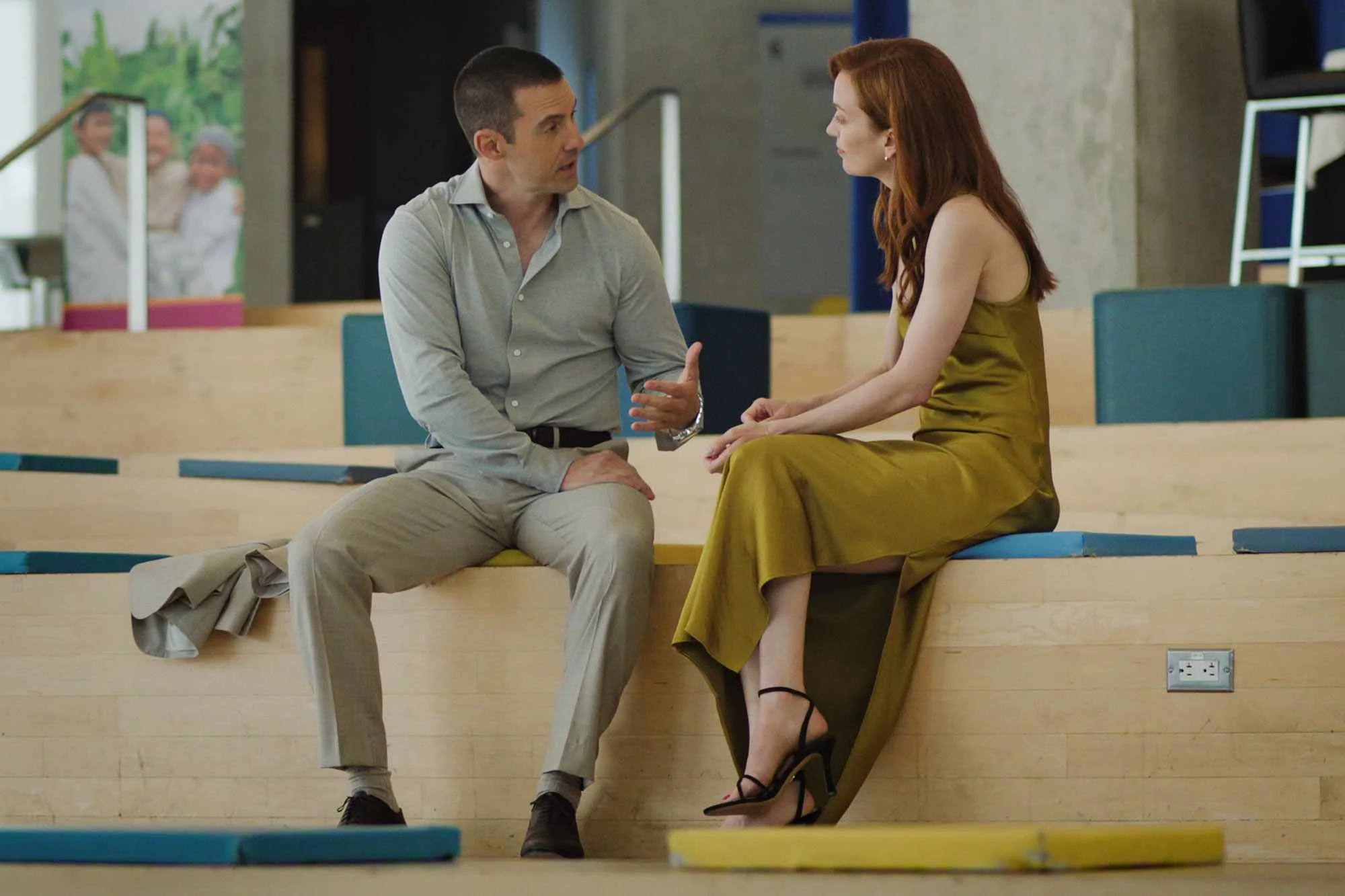
A dark knitted, fitted quality polo (no logos) with proper tailored trousers. A soft unstructured or semi-structured jacket over a simple shirt well-fitted shirt. A tonal outfit where the colours are close together instead of shouting across the room at each other (contrasting if that picture didn’t paint itself in your mind). Outerwear (coats and jackets) that look grown up without feeling formal. Trousers with shape. Shoes that complete the outfit rather than apologise for it.
None of this is complicated, and that’s exactly why it works.
The clothes aren’t begging for attention - they just look right. And when clothes look right, the person wearing them looks cooler, more collected and considered.
That’s the real power of great smart casual dressing - it doesn’t make you look overdressed. It makes you look like you’re in control and you’re comfortable in and understand the environment you are walking into.
Fit Is Doing More Of The Work Than Most People Realise
Now obviously, Milo Ventimiglia is a very good-looking guy, and we don’t need to pretend that that has nothing to do with it because we’re all grown ups here and we can be honest about these things.
But good looks alone don’t explain why the styling works. I’ve seen plenty of good-looking people who are look like walking garbage dumps.
A badly fitting, baggy, long, massive prancing horse logo polo shirt still looks terrible on a handsome guy. A jacket with the wrong shoulders still looks really awkward. Trousers that are too long in the leg and saggy in the seat make an outfit look careless. Shirt and jacket sleeves that are too long make someone look small (think Dopey in Snow White and the Seven Dwarves) and nowhere near sharp. Shoes that are clunky, chunky, scuffed up or too aggressively “statement” can ruin the whole thing, no matter how expensive the rest of the outfit is (tip for you guys reading this - on average women will judge a guy by his shoes).
Fit is what makes simple clothes look intentional.
That’s the thing men often underestimate, because they look at an outfit like this and think “well, it’s only a polo shirt and trousers” or “it’s only a jacket and a shirt”, but that’s exactly the point. When the clothes are simple, the fit has nowhere to hide.
If a loud outfit is badly fitted, the noise will distract you. Not that that’s a good thing anyway but nevertheless there will be a degree of distraction and detraction from the fit. With a quieter outfit, every proportion matters. The shoulder line, sleeve length, how the collar sits, the trouser rise, the leg shape, the break, the relationship between the top half and bottom half - all these details become more visible because there are no gimmicks to cover it all up or create a distraction.
That’s why this kind of dressing can be (or feel) harder than it looks.
It seems easy because the clothes are understated, but the simplicity only works if the details are doing their job.
That’s why, when I’m working with clients who want to look more put-together and polished without feeling overdressed, I’m thinking less about “what’s the big item?” and more about how we make the everyday pieces feel elevated enough that they still carry a degree of authority.
The truth is, most men don’t need more dramatic clothes. They need better versions of the clothes they already reach for.
The Colours Are Quiet
Another reason Hayden’s wardrobe works is that the colours are incredibly controlled and restrained.
I know that sounds like a small thing, but colour is usually where men either get frightened and retreat into navy forever, or they suddenly have a moment of bravado in a shop and come home with something that only works if the weather, lighting, trousers, shoes, mood and social situation all align perfectly, which of course they never do.
The clever thing about restrained colour is that it gives you so many options.
If you build around navy, charcoal, stone, taupe, olive, brown, cream, pale blue and other softer neutrals, you can create a wardrobe where everything is able to have a relationship with something else. A navy trouser works with a stone jacket. A charcoal trouser works with a blue shirt. A taupe jacket works with denim, navy, cream and brown. A soft blue shirt works with almost everything. Brown suede shoes calm the whole thing down and make things feel more relaxed than black leather ever could.
This is where a wardrobe starts becoming useful rather than just attractive, because there’s no point owning beautiful pieces if every outfit still feels like a hard to put together jigsaw puzzle.
The best wardrobes I see, and definitely the best wardrobes I help my clients to build, are never the most complicated. They’re the ones where the colours have been thought through properly so my client is able to get dressed without turning the whole morning into a stressful committee meeting with himself.
That’s what Hayden Payne’s styling in I Will Find You communicates. Everything feels like it belongs - the colour palette is muted, masculine and expensive-looking without ever looking flashy. It makes him look composed, which is exactly what that character needs to feel and portray on screen.
He doesn’t look like a man trying to impress you… he looks like a man who knows he already has.
Doing The “Quiet Luxury” Thing Without Making It Cringe
We’ve all heard the phrase “quiet luxury” countless times now, and like most fashion phrases once it escapes into the mainstream it gets applied to everything from cashmere coats to beige mugs and becomes really bloody annoying.
But in this case, it’s actually very useful, because what Hayden’s wardrobe does a great job of is showing the difference between looking expensive and looking flashy.
Flashy dressing is easy to recognise because it announces itself right away - loud logos, obvious “look at me” designer pieces, shiny fabrics, stupidly big watches, shoes that want their own Instagram account, that sort of stuff.
Quiet luxury is different. It’s more about restraint, texture, fit, proportion and knowing when not to add something for the sake of it.
That’s why it can be so effective for men who operate and move in serious environments, because it doesn’t make them look like they’re trying to win a style competition. It simply makes them look more together (in style and life) than any of the people around them.
That’s the thing I think a lot of men want now.
They don’t necessarily want to look formal, they don’t always want to wear a suit. They don’t want to feel stiff or old-fashioned - but they also don’t want to look (or rather feel) like they’re clueless and incompetent resorting to hoodies, stretch denim and trainers that have seen too much of a life.
They want that middle ground where they can look successful, modern, relaxed and still properly dressed.
That’s why this type of wardrobe matters.
It’s not about chasing trends, it’s about understanding that the modern upwardly mobile or successful man’s life has changed, and his wardrobe has to be able to move through a bigger variety of situations than it used to.
Office, home, lunch, travel, school run, client meeting, dinner, weekends, drinks, events, Zoom calls, airports, country hotels, city hotels, weddings and events with a “smart casual” dress code on the invitation that tells you absolutely nothing but totally expects you to decode it as easily as you might decode a legal document (I’m aware that analogy only works if you’re a lawyer).
Your wardrobe has to cope with all of that.

What Men Can Actually Take From Milo Ventimiglia’s Wardrobe In The Show
The mistake would be to watch I Will Find You and think the lesson is simply “just buy what Milo Ventimiglia is wearing.”
That’s not how good style works!
The lesson here is that his character looks good because his wardrobe has a clear point of view. It knows what it’s trying to say, and it says it quietly.
So if you wanted to take the idea and make it work in real life, I’d start with the trousers, because as I’ve said before and will continue saying until someone eventually puts it on a plaque or in a meme for me, trousers do far more work than most men realise.
A few really well-cut trousers in navy, charcoal, stone, taupe and perhaps olive or mocha will immediately make everything else in your wardrobe easier. Not fashion statement trousers. Not skinny trousers. Not those weird halfway-house trousers that look like they’re trying to be jeans but also want to attend a finance meeting. Proper trousers with shape, balance and enough structure to make the whole outfit feel more grown up.
Then I’d think about the top half.
Not endless shirts for the sake of it, but the right shirts and knits. A great white shirt (every man needs one), a soft blue shirt, perhaps a stripe, a dark knitted polo, a fine gauge knit, maybe in a cream or cappuccino tone if your colouring suits it. These are the pieces that sit great under jackets but also work really well on their own, giving you that smart casual flexibility without making every outfit feel like “shirt and chinos all over again.”
Then the jackets.
This is where men either go too formal or too casual. A business blazer can make everything feel stiff, especially if the cloth is too smooth or suit-like, the shoulder too structured and the whole thing looks like it does belong with a pair of suit trousers that are currently hiding somewhere else in your wardrobe and you just can’t find them right now. On the other hand, if the jacket is too soft or too casual, it doesn’t give enough shape and the outfit loses any of the authority you were trying to create in the first place.
What you want is the sweet spot - soft enough to feel modern, sharp enough to give you presence, versatile enough to work with trousers, chinos, denim, shirts, polos and knitwear without looking as though it’s been dragged into the wrong room.
Navy is the obvious anchor colour, and there’s nothing wrong with obvious if it works. Olive is very useful because it gives personality without becoming difficult, because it pairs well with so many other colours. Taupe or stone can be brilliant in warmer months of the year. Brown or mocha gives warmth and looks really good when you want to avoid the default navy-and-grey uniform that so many men end up trapped in.
Then, finally, shoes.
Because shoes are often where otherwise great outfits can suddenly just fall apart.
For this kind of wardrobe, I’d be thinking about brown suede loafers, dark brown derbies, a chukka boot, perhaps a very clean leather trainer if the outfit and setting will allow it. The point is to avoid anything that feels too heavy, too shiny, too sporty or too much like you really didn’t think about it before you put them on.
The shoes should finish your outfit in the same language as everything else.
Why This Works Beyond The Screen
The interesting thing about Hayden Payne’s wardrobe in this show is that it’s not really television fantasy dressing.
Yes, the character lives in a fictional thriller world, and yes, most of us are thankfully not spending our days moving through a Harlan Coben plot where everyone has a secret and nobody has ever heard of having a normal conversation before they make life-changing decisions.
But the clothes themselves are very usable which is why it’s worth talking about.
A lot of screen style is fun to look at but not really useful. You can admire it, enjoy it, maybe steal a colour combination or a general idea, but you wouldn’t necessarily build a real wardrobe around it.
This I Will Find You character’s wardrobe is different, because the principles are the exact same ones that work for real men with real lives.
Keep the palette controlled and make sure the fit is excellent. Build around versatile trousers and use jackets that soften your look rather than make you look like you’ve come straight from an office meeting. Choose shirts, polos and knitwear that belong together. Buy fewer random things and more quality, considered pieces that actually earn their place in your wardrobe.
I know that’s not very glamorous advice, but it is the advice that works.
And the reason it works is because most men don’t need a wardrobe that makes getting dressed more exciting in theory but more difficult in practice. They need a wardrobe that makes getting dressed easier.
They need to open the wardrobe and feel that all of it makes sense. They need to know that that jacket works with any of those trousers, those trousers work with any of those five shirts, those shoes work with almost everything and the whole thing can move from one part of life to another without the outfit failing at the first change of environment.
That’s the goal - not more clothes, but better relationships between them.
A Final Thought For You
Yes, Milo Ventimiglia was the best dressed man in I Will Find You, at least in my opinion (if you disagree then I have to ask, are you blind?), and what I loved was that his wardrobe wasn’t full of loud, attention-seeking pieces.
It was much smarter than that - it was controlled, muted, tonal and well fitted. Expensive-looking in a quiet way. The sort of wardrobe that makes a man look composed before he’s even said a word, which is exactly why it works so well for the character and why it’s so useful as a style lesson in real life.
That’s really what good clothing does. It doesn’t need to shout “look at me, look at me!” It doesn’t need to declare that you’ve spent a lot of money. It doesn’t need to make every room you walk into about your outfit. It simply helps you look like you know who you are, what you are, where you are and what you’re doing there.
And if your wardrobe can already do that for you most of the time, then you’re a long way ahead of most men.
The slightly mysterious Netflix thriller energy is optional - although, when handled carefully and with consideration, not entirely unwelcome.
You can connect with Antoinette Messam and discover more of her work on Instagram @therealantoinettemessam