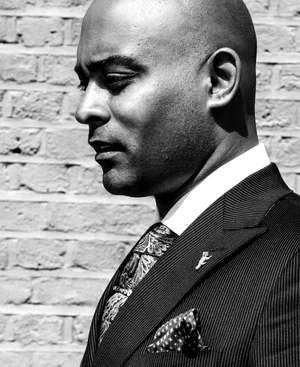
Liquid Tailoring: How Modern Suits Keep Up With London Life
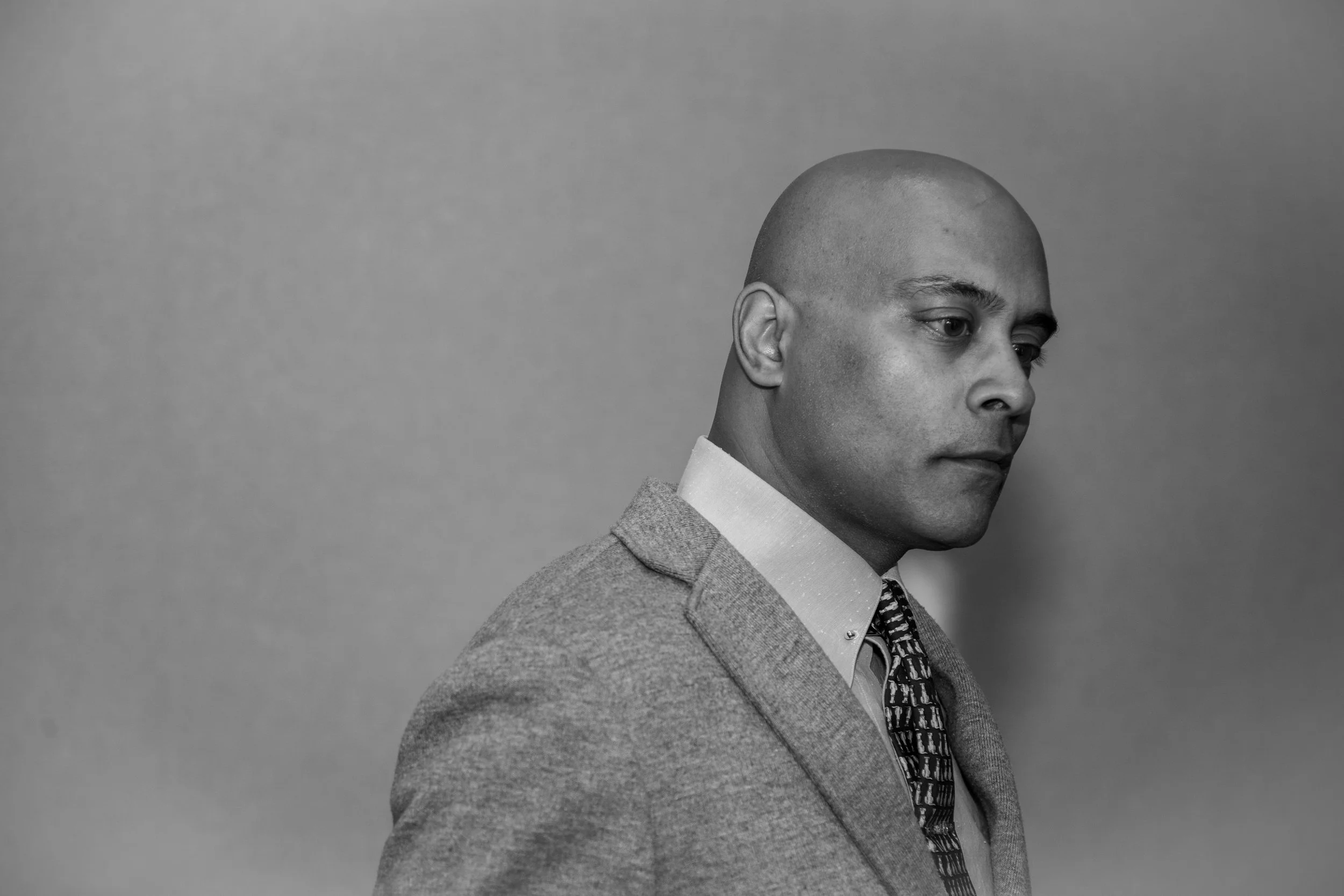
Picture this pretty common situation for a lot of busy, successful men.
You’ve had a really hectic day in the City, your calendar’s been rammed back to back since 8am, and now instead of going home you’ve got to head straight to a dinner in Mayfair. The last thing you want is to feel like the only person in the restaurant still dressed for a board meeting (even though you and the rest of them will be).
The solution? Well that’s exactly where the fashion industry’s latest buzz term “liquid tailoring” comes in. You still wear a suit - a suit that still says you mean business… but it’s not as stiff-looking as the one you wear normally. This suit moves with you, it breathes and it lets you feel like yourself no matter whether you’re in a big new client pitch at some bank or corporate HQ or ordering a Negroni. Or a whisky. Or whatever it is you City-types drink these days.
Why Men Are Softening The Suit
For so many years, when it comes to the suit, tailoring has been treated like it’s about the creation of armour. Strong shoulder pads, heavy or at the very least worsted fabrics with some structure to them, sharp lines everywhere. It looks powerful but when transitioning through different environments, settings and moods, it can absolutely have the impact you need in some and a little too much in others.
Now, especially in London, more and more men are asking for suits that feel like a second skin rather than a uniform. “Tailored but comfortable” is the most popular phrase I hear in the workroom when I sit down with a new client, or to do a quiet audit with an existing one.
If your life means regularly jumping from the office to a client lunch and then an event of some sort, a rigid, old‑school suit just doesn’t match the cadence of your day. “Liquid tailoring” keeps the flattering silhouette, but it relaxes everything that doesn’t need to be stiff or structures: so softer shoulders, lighter canvassing, more relaxed cut trousers, and fabric that drapes in just a little more of a relaxed, soft way.
Think of it like upgrading from a sports car with rock‑hard suspension like a Ferrari Spider, to a luxury coupe that feels like you’re sitting on a cloud - like the Bentley Continental GT Sport I drove on track recently. You still get all the performance, but the ride suddenly feels so much more comfortable and civilised.
What Makes A Suit “Liquid”
I’m going to break this down as simply as I can for you, because enjoying good clothes doesn’t mean you also need a diploma in fabric science. Liquid tailoring comes from three things working together in harmony and balance: fabric, cut and movement.
1. The Fabric: Living Cloth
If the fabric is wrong, everything looks and feels wrong.
For London summers and all the travel and moving around that can come with your busy life, I’m thinking about what I like to refer to as “living” fabrics: blends that breathe, move and recover rather than make you look like you’ve slept under a bridge by lunchtime. Those might be:
• High‑twist lightweight wool that feels airy but would still look immaculate in a boardroom.
• Linen‑wool or linen‑cotton blends that give you that relaxed, kind of holiday vibe (but think 5 star) without turning you into a walking beach towel.
• Open‑weave wools and hopsacks that, because of the porous nature of the weave, let air pass through and add just enough texture to stop the suit looking to smooth and…well, typical suit-like.
If you’ve ever stepped off the Central Line in high summer here in London and felt like your suit (and the rest of the world) hated you, that’s usually down to dense, lifeless cloth. Liquid tailoring uses cloth that actually wants to help you out by keeping you cool, relaxed and ready to move.
2. The Cut: Relaxed, Not Sloppy
Next up, it’s about how we bespoke tailors cut the thing.
Liquid tailoring isn’t about letting everything get loose, ill-fitting and baggy. It’s about softening the overall structure wherever you can, and holding the lines where you should. In plain English that usually means:
• Shoulders with very thin to zero padding, so the jacket follows your natural shoulder line instead of imposing an enhanced one on you.
• Using a super soft, lightweight canvas inside the jacket front, so it keeps its shape and stabilises but doesn’t make you feel like you’re wearing body armour.
• Trousers with actual room through the thighs and legs, so they can move, catch the air (not your calves), and sit clean over your shoes.
On the fashion runways you’ll see fluid, flowing trousers described as “liquid” because they kind of ripple when you walk. In real life, what you’ll notice is that you can climb stairs, get in and out of cars and taxis, sit through long dinners and still feel relaxed but put together rather than like you’ve been shoe-horned into your outfit.
3. The Movement: Clothes That Work With You
This is the final test: feeling what happens when you move.
While I’ve been focused on this as a suit, it’s really any combination of a jacket and trouser - but whichever you’re wearing it should almost disappear once you put it on. So many of my clients tell me they put my suits or jackets and trousers on and just forget about them. You shouldn’t be fidgeting with your outfit all day - we want you focused on the business or social interactions at hand and knowing that you look great without feeling any of it on you.
When you walk, the fabric should “pour” over you, not cling. I don’t mean pour in the way you might dump a load of gravy over your Sunday roast, I mean more in the way when you’re in a Michelin star restaurant, staring at the fish or meat dish that’s been placed in front of you and then the waiter produces the jar of consommé and pours it gently over your dish, the fine liquid just caressing your food as it settled in the bowl.
Sorry I drifted off into a food coma there! OK so back in real life - YOUR real life - when you stand at a bar, lean on a high table at an event, sit back in a taxi – if the suit’s right, you’re aware of how good it looks, not how restrictive it feels (because it doesn’t feel restrictive in any way shape or form). That’s the sweet spot. That should be a bespoke tailor’s goal for you.
Why This Makes Sense For London Life
London’s a funny city for tailoring. One minute you’re in a glass office with air‑con blasting, then the next minute you can be on a hot and sweaty Tube train or merely just walking through a shock heatwave.
Trend forecasters in the fashion industry have been banging on about breathable natural fibres and softer silhouettes for spring / summer 2026, and London’s the perfect playground for that (you could also argue New York being a candidate too). Linen blends, lyocell, open‑weave wools – these fabrics aren’t just for holiday outfits anymore. In the modern age they’re made for your actual weekday life too - with the right styling.
If you’re in finance or law, you might still need a traditional navy or charcoal for certain settings, but there’s a definitely a growing capacity for more relaxed cuts and fabrics during the working week. Tech, media, creative, property, sports and hospitality – in those worlds, a fluid suit actually tells the world, your audience, that you’re a considered person. It looks weirdly modern and timeless at the same time (the villains in a lot of Scandi noir thrillers seem to have this form of dressing down to a fine art)… you also look like a quietly confident but approachable person rather than stiff and inaccessible.
Office To Evening: How This Looks In Practice
OK, time to get you picturing and understanding how this works in real life.
Play ball with me here. Close your eyes and imagine that you’re heading into town for an action-packed day: a few meetings, a client lunch, a lot of phone calls, then straight on to dinner. Instead of reaching for the usual structured worsted suit, you pull on:
• An unstructured hopsack blazer in deep green or navy.
• Wider‑cut, (not stupid wide, just relaxed) lightweight wool trousers that sit clean over a pair of loafers.
• A fine knit polo or open‑neck shirt rather than a stiff cutaway collar dress shirt and tie.
At 9am, that looks perfectly appropriate in most London offices nowadays. At 7:30pm, no need to feel like you could have done with a change, because you absolutely won’t have to! Lose the tie if you wore one, but outside of that you’re suddenly the only person at the table who looks like their outfit was planned for all parts of the day and night.
Weekends and travel are where liquid tailoring really comes into it’s own and proves it’s usefulness, practicality and versatility. A relaxed linen blend suit over a tee shirt or knit, fluid trousers with minimalist (smart) trainers, an overshirt that feels as comfortable as lounge wear but still holds its shape – they’re all part of the same concept. Easy, breathable yet elegant without trying hard at all.
What I Do Differently When I Cut A Liquid Suit
From my side of the cutting table, making a suit feel liquid is a very deliberate process from start to finish.
When I sit down with a client and talk about their life, and lifestyle, I’m listening carefully for clues: how often they travel, how hot they run, what rooms and situations they can end up in during the week, who they’re with (for example are they more often with lawyers or creative types?). Once I understand all of that, I then pick fabrics that fits their actual life and all those situations.
Then it’s all about the details:
• I choose super light and soft canvassing that gives support but doesn’t weigh the client down.
• I relax the shoulders so the jacket follows the body instead of fighting against it.
• I build extra comfort into the trouser, so my client has room where he needs it and clean lines where people are going to see him.
Every suit or outfit is a conversation about all that sits between structure and freedom. The old ways were about giving all of the power to structure. Liquid tailoring levels that up, without taking away any of the authority you need whenever you walk into a room.
Is Liquid Tailoring Right For You?
If you’re the sort of person whose calendar never really stops, then yes, it probably is. Or at the very least it’s worth considering.
If you live a High Net Worth or even Ultra High Net Worth lifestyle where you constantly move between offices, cars, planes, restaurants, boxes at various venues and your family time, your clothes absolutely need to keep up. They can’t just look good on a hanger - they’ve got to perform for you.
A liquid suit or outfit, cut the right way, lets you feel like you’re in a sort of “relaxed focus” mode all day. You’re not wasting a drop of energy fidgeting or thinking about how uncomfortable you are, or worrying that you look a bit too overdressed for the room you’re in. Your outfit holds the line for you quietly in the background, so you can get on with doing what you do best.
If this all sounds like something you want to explore, the next step is simple: we sit down together, talk through your typical week, look at some outfit concepts and fabrics that make sense for you and your life, and create outfits that work as hard as you do.
Outfits that don’t keep reminding you that they’re there every other minute, but just quietly do their thing.